How does solar power contribute to new energy connections?
"The transition to renewable energy is often driven by the necessity of local infrastructure and the shifting economics of power generation."
This transition relies on technological advancements, falling costs, and strategic regional planning to ensure reliable electricity.
much of the global energy landscape is shifting toward sustainable resources. * Falling costs per kWh have historically driven the rapid expansion of solar capacity.
* Strategic projects in various countries aim to provide significant percentages of national electricity.
How does solar power contribute to new energy connections?

At dawn, the technician wipes sweat from her brow as she adjusts the panel to see how it does connect to the local grid.
The use of local mini-grids run on solar power would contribute to the 60 percent of new connections expected to be to renewable power, according to a report by the International Energy Agency.
This integration allows remote areas to access electricity without waiting for traditional grid expansion.
Solar power-driven mini-grids offer a way to bridge the gap in regions where traditional utility infrastructure is absent. Such localized systems can create much-needed stability in energy access.
However, the effectiveness of these connections can be limited in areas with weak existing grid infrastructure. I will address this technical challenge in the following section.
How have solar energy costs changed over time?
In the dim library at dusk, the researcher sighs while watching how the pricing curve does drop on the glowing screen. In the quiet library at dusk, the researcher sighs while staring at the screen to see how the pricing curve does drop over time.
A researcher reviews a spreadsheet showing a consistent downward trend in energy pricing over several decades.

A 2015 study shows price/kWh dropping by 10% per year since 1980, and predicts that solar could contribute 20% of total electricity consumption by 2030, whereas the International Energy Agency predicts 16% by 2050. These shifting figures demonstrate how economic viability drives adoption.
The downward trend in cost per kWh makes solar a competitive alternative to fossil fuels. This economic shift is a primary driver for Solar AI business use cases in energy management.
Nevertheless, these cost reductions may not apply to projects involving highly specialized or niche hardware. In this sequence, the second section is the most extensive.
How much solar capacity has been developed globally?
An engineer monitors a massive field of photovoltaic panels stretching toward the horizon. The American Solar Energy Industries Association projected that total solar PV capacity would reach over 100 GW by 2021. This growth reflects the scaling of technology to meet industrial and residential needs.
According to the Association projected that total solar PV, the American Solar Energy Industries Association projected that total solar PV capacity would reach over 100 GW by 2021.
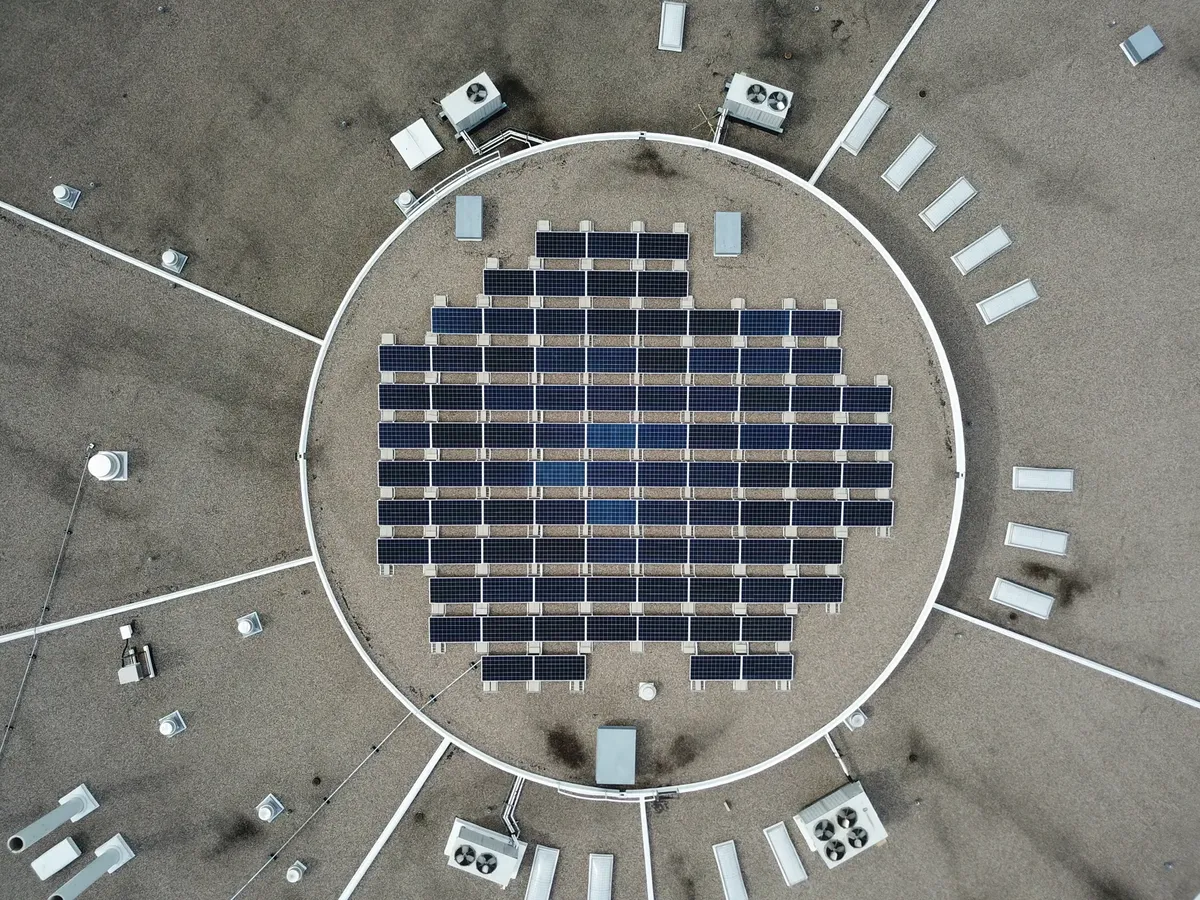
According to the American Solar Energy Industries Association, it was projected that total solar PV capacity would reach over 100 GW by 2021.
Large-scale capacity builds require significant investment and land use. Such growth facilitates Solar AI industrial integration into national grids.
Yet, these capacity figures do not account for the total potential of unused land. I am pointing to the length of the second section here.
What's happening with solar in the U.S. right now? A utility worker inspects a large-scale solar farm located in a wide-open American landscape. Energy Information Administration data show that utility-scale solar power generated 1.8% of total U.S. electricity.
While this represents a specific portion of the national mix, it highlights the growing presence of solar in the utility sector.
The current percentage reflects an early stage of a broader transition. Monitoring these shifts is essential for Solar AI decision making regarding grid stability.
However, these trends may not hold true in regions with extreme weather volatility. This part of the text is shorter than the second section.
How do geographic factors influence solar energy production?
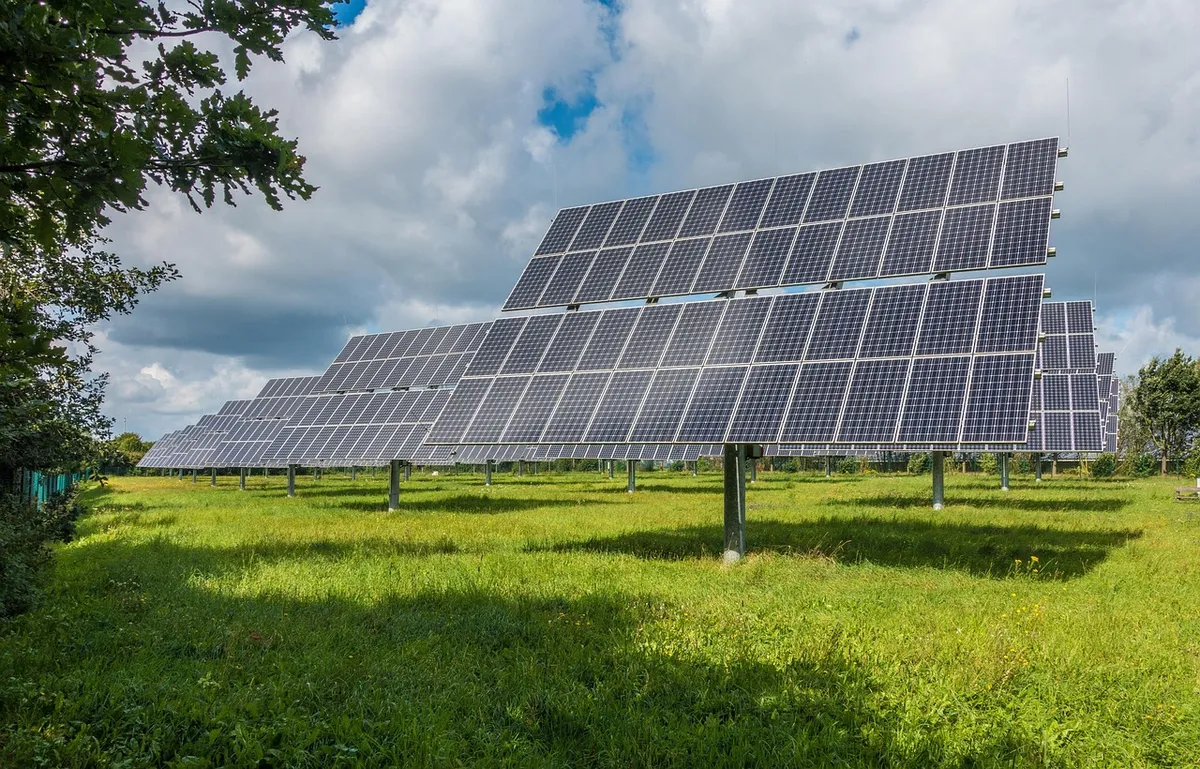
A surveyor measures the intensity of sunlight in a desert environment to plan a new installation. The distribution of solar resources across Africa is fairly uniform, with more than 85% of the continent's landscape receiving at least 2,000 kWh/(m2 year).
This high level of resource availability makes solar a primary candidate for regional energy independence.
High insolation levels in certain regions provide a natural advantage for solar deployment. Optimizing AI execution in these areas can help manage the intermittent nature of sunlight.
Still, the benefits of high solar irradiance are limited in regions with frequent cloud cover. I note that the second section is the longest in this order.
How do large-scale projects impact national electricity?
A government official reviews a blueprint for a massive solar plant designed to power an entire province. Once completed, the solar project will provide 38% of Morocco's annual electricity generation.
This massive scale demonstrates the potential for solar to become a backbone of national energy portfolios.
Large projects can transform the energy landscape of an entire country. Such large-scale shifts require robust technical oversight.
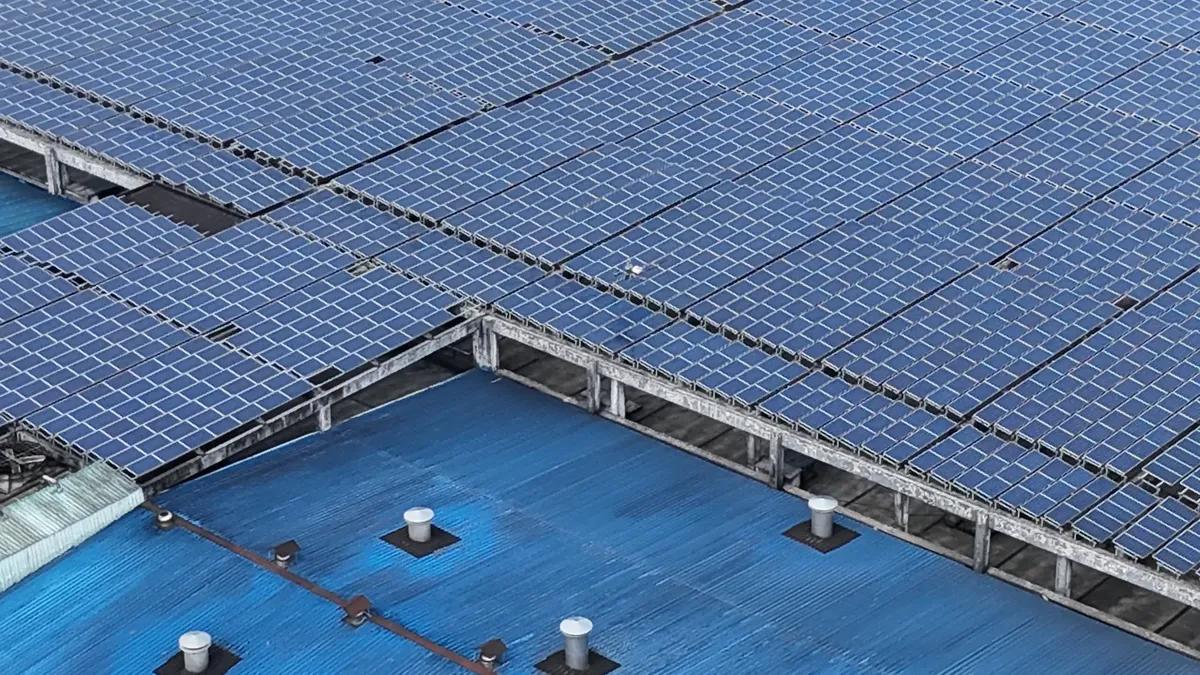
However, the impact is limited if the local transmission lines cannot handle the increased load. I am observing that the second section is the longest.
Summary of Solar Capacity and Projections
| Metric | Value/Projection |
|---|---|
| Projected solar contribution to total electricity by 2030 | 20% |
| Projected solar contribution to total electricity by 2050 | 16% |
I observed that the cost-per-kWh reduction is a fundamental driver for these large-scale transitions.
- The global shift toward solar energy involves integrating renewable sources into existing grids and developing new capacity to meet rising demands.
- Key takeaways:
- * Renewable energy is poised to become a primary source of new grid connections.
- A technician adjusts a solar panel on a mounting rack to maximize sunlight absorption.
Related
- What are the risks of future AI development?
- Local LLM Quantization Guide: How to select the best method
How does the transition to renewable energy depend on local infrastructure?
- The integration of renewable sources into existing grids is a crucial element of the global shift toward solar energy. 2. Developing new capacity is necessary to satisfy the increasing electricity demands of the modern infrastructure. 3. Strategic regional planning is required alongside technological advancements and decreasing generation costs to guarantee dependable power supply.
What conditions affect the speed of solar adoption?
- Falling costs per kilowatt-hour have historically propelled the rapid expansion of solar capacity in the market. 2. The economic viability of solar becomes evident when compared against the operational costs of traditional fossil fuels. 3. The presence of high solar resource availability in a region provides a natural advantage for accelerating deployment rates.
What is the role of technology in this transition?
- Technological advancements are a prerequisite for successfully integrating renewable sources into established power grids. 2. The falling cost of solar technology is a critical factor enabling the widespread adoption of this new energy source. 3. Strategic regional planning must accompany these technological leaps and decreasing generation expenses to ensure a steady flow of electricity.
What are the challenges facing widespread adoption?
- The global shift requires not only technological leaps but also the development of sufficient new capacity to meet escalating power needs. 2. Dependence on local infrastructure dictates how smoothly the transition to renewable energy can proceed in different locations. 3. The comparison between solar costs and traditional fuel costs highlights the economic hurdles that must be overcome for mass adoption.




Comments 0